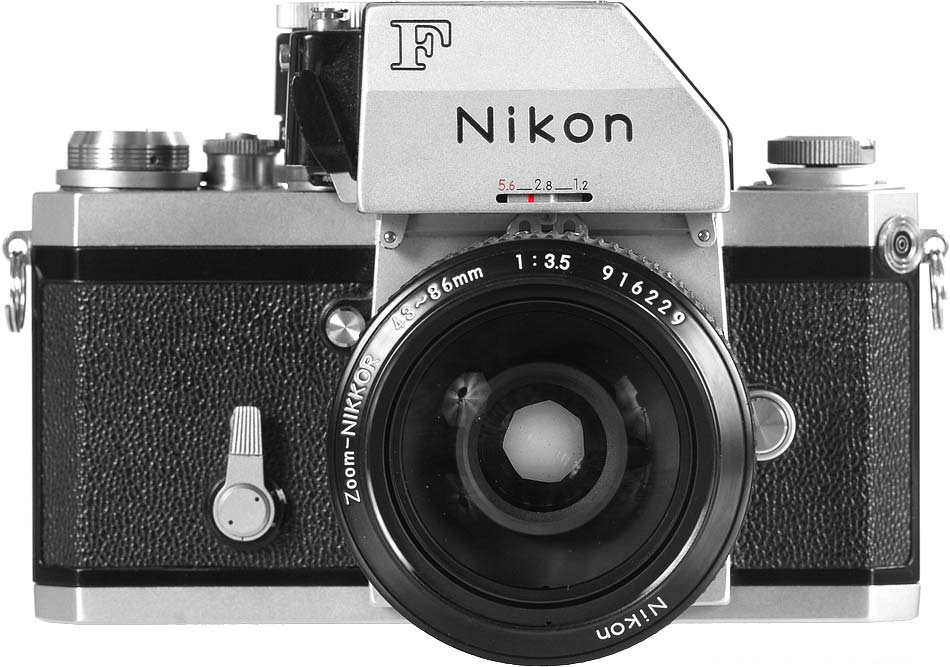
NIKON F to Z
- Nikon D1 – 1999 – 2.7 MP Dx
- Nikon D1H – 2001
- Nikon D1X – 2001
- Nikon D100 – 2002
- Nikon D2H – 2003
- Nikon D70 – 2004
- Nikon D2X – 2004
- Nikon D50 – 2005
- Nikon D70s – 2005
- Nikon D2Hs – 2005
- Nikon D200 – 2005
- Nikon D40 – 2006
- Nikon D80 – 2006
- Nikon D2Xs – 2006
- Nikon D40x – 2007
- Nikon D300 – 2007
- Nikon D3 – 2007
- Nikon D60 – 2008
- Nikon D90 – 2008
- Nikon D700 – 2008
- Nikon D3x – 2008
- Nikon D300s – 2009
- Nikon D3000 – 2009
- Nikon D5000 – 2009
- Nikon D3s – 2009
- Nikon D3100 – 2010
- Nikon D7000 – 2010
- Nikon D5100 – 2011
- Nikon D600 – 2012
- Nikon D4 – 2012
- Nikon D3200 – 2012
- Nikon D5200 – 2012
- Nikon D800(E) – 2012
- Nikon D610 – 2013
- Nikon D5300 – 2013
- Nikon D7100 – 2013
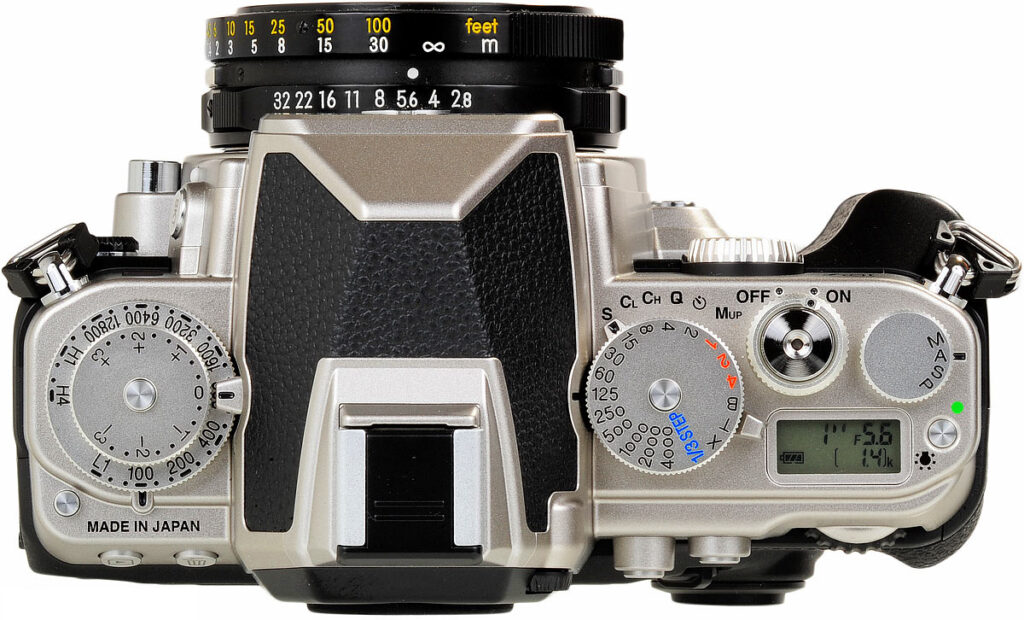
- Nikon DF – 2013
- Nikon D3300 – 2014
- Nikon D750 – 2014
- Nikon D810 – 2014
- Nikon D4s – 2014
- Nikon D5500 – 2015
- Nikon D7200 – 2015
- Nikon D810A – 2015
- Nikon D3400 – 2016
- Nikon D5600 – 2016
- Nikon D5 – 2016
- Nikon D500 – 2016
- Nikon D850 – 2017
- Nikon D7500 – 2017
- Nikon D3500 – 2018
- Nikon D780 – 2020
- Nikon D6 – 2020
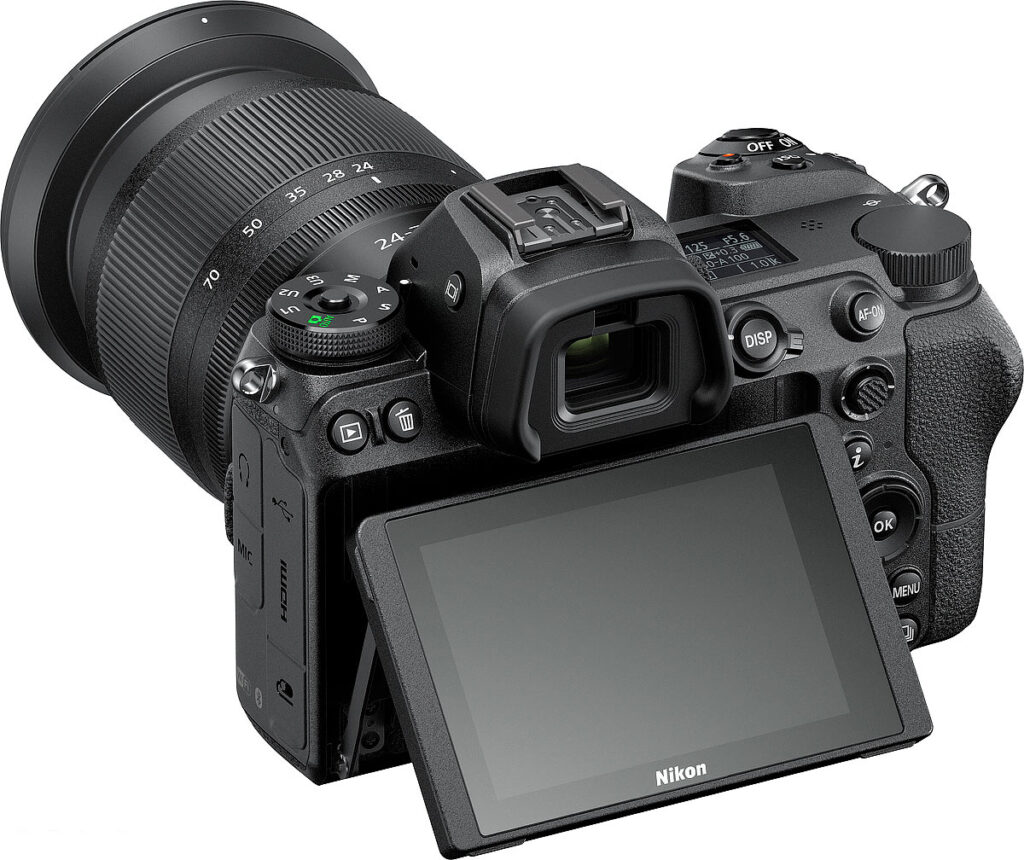
- F to Z
- Nikon Z6 – 2018
- Nikon Z7 – 2018
- Nikon Z50 – 2019
- Nikon Z5 – 2020
- Nikon Z6 II – 2020
- Nikon Z7 II – 2020
- Nikon Zfc – 2021
- Nikon Z9 – 2021
- Nikon Z30 – 2022
- Nikon Z8 – 2023
- Nikon Zf – 2023
Camera is just a tool to make work easier
What happens if you give the best set of drawing tools to someone who doesn’t know how to draw, and another set of inferior drawing tools to the best painter? Who will make the better painting? The same rhetorical question is valid for photography. If you get a better camera, does that mean you will take better pictures? No, I don’t want to buy another “camera doesn’t matter”, because we are all tired of the technical exposition. Do you know the story behind it, let’s talk about it for a moment. Does the camera really matter? It may or may not be true. For most people who use a camera for family photos, the camera is not important. For an amateur or hobby photographer, it is not necessarily the stability of the camera. For a professional photographer who makes a living from photography, it is something that matters. When someone hands a bad camera to a good photographer, he or she is more likely to be able to make the most of it and capture great pictures. Just like a good painter, will be able to work on a painting with a low-quality set of equipment. However, photographers don’t want to stick with low-quality gear and no artist wants to use low-quality equipment for the rest of their lives, because they know that good equipment helps them achieve the best results that set them apart from the rest of the competition. Ansel Adams loved working with the best gear because he knew how to hone his skills and get the best results. I forget where I heard or read this story, but it stuck in my head for a while. The story goes like this. Two photographers were standing side by side taking pictures, one was a professional photographer who made a living selling his pictures and the other was an amateur or hobbyist. The Pro Photographer was using a very expensive camera and lens, while the amateur was using a camera with a Kit Lens. The Amateur Photographer knew that the Pro Photographer was famous and famous for selling pictures and winning many competitions. At one point, he turned to the Pro and said “sure enough, with gear like that I bet you could get big results”. The Pro tried to convince the amateur that his camera was just his tool, but the amateur kept insisting otherwise. At one point, the pro said to the amateur, “I’ll give you my camera equipment,” and we exchanged cameras. We took pictures for a few hours. The pro photographer came back with images produced from the amateur’s camera. Without much thought, the amateur photographer just sat there looking at the results of the amateur camera. So, when does a camera become important? If you’re just getting into the world of photography, I would say that the camera you choose and can afford is best for you. If you’re an amateur or hobbyist and you’re shooting for fun, have simple and good photography skills, the camera you use is best for you.
The Photographer’s Eye Finally, you need to remember that a camera is just a tool in a photographer’s bag. Without a photographer’s skill set, patience, vision, creativity, planning, timing, lighting and post-processing, even the best camera in the world cannot make a good picture. Now let’s talk about the different camera systems available today. As the demand for DSLR and mirrorless cameras has increased significantly (just pay attention to how many people carry DSLR and mirrorless cameras), camera brand companies have invested in “Research and Development” and more photography enthusiasts have entered the high-end camera market. As of now, the mainstream DSLR and mirrorless camera brand companies are: Canon, Nikon, Sony, Fuji, Pentax, Olympus, and Panasonic. With so many different brands and types of cameras to choose from, it’s getting harder and harder to choose a particular brand over another. So, which brand should you invest in? Yes, you heard that right and make the investment. If you plan on getting serious about your photography, you will be buying more gear over time. Be it new model cameras, lenses, filters, flashes and memory cards, the type of camera system you choose is important. If you make the wrong choice, it will be very expensive to sell all your gear and replace it with a different brand. In addition, you will have to spend time learning the new system and getting used to it. So, back to the question of which brand you should invest in.
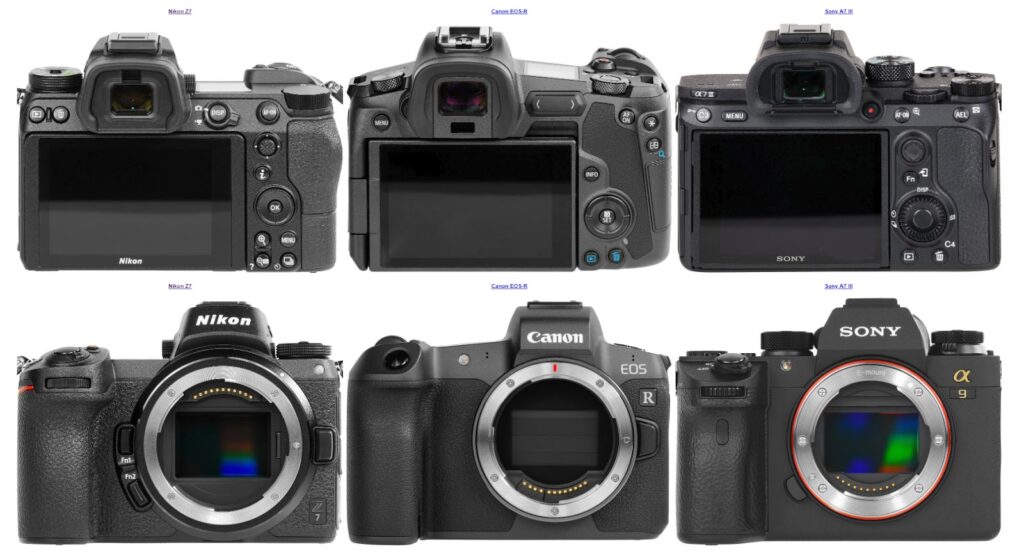
I would choose between Nikon, Canon, Fuji, and Sony. Choose between these four brands and you can’t go wrong. Nikon and Canon definitely lead the way with the widest selection of cameras, lenses/accessories and have the largest market share, but Sony has invested heavily in its mirrorless line (compared to the newer Nikon Z and Canon R mirrorless cameras). Fuji makes excellent X-series cameras with amazing image quality and a good and growing lens selection. There are a few other brands like Olympus and Panasonic that are also good in the market. Both of these companies have had success with the Four Thirds and Micro Four Thirds systems, especially for video, thanks to their solid lens selection, great cameras, and compact system size. Like Sony and Fuji, they specialize in their mirrorless lines rather than DSLRs. Mirrorless is definitely the future, especially now that Nikon and Canon have jumped in, as highlighted in our Mirrorless vs DSLR camera article. So if you’re looking to embrace new technology, you’re sure to be looking at the mirrorless camera market. Another thing you can do is see if anyone you know already has a high-end camera and ask them for their suggestions and advice. If the person you are asking is a good photographer, it might be a good idea to buy a camera of the same brand, so that you can learn from that person and maybe even borrow equipment in the future before you buy your own. This is especially helpful if the photographer is a professional, you don’t have to surf the Internet for hours to understand something or make a decision. The grass is always greener on the other side. No matter what camera system you choose or use today, you will most likely pay your soul and a lot of attention to other brands. If you own a Nikon camera, you look at Canon cameras and compare. If you own other brands, you probably look at Nikon and Canon. The problem is, the grass is always greener on the other side when it comes to cameras and lenses.
The Canon vs. Nikon topic, for example, always comes up among photographers. Nikonians look at some Canon cameras and want more megapixels, while Canonites look at some Nikon cameras and want less noise. The lens debate between the two brands is also endless. At the end of the day, the question you have to ask yourself is, how much better would your photography be if you got one brand or switched from one brand to another. Chances are, the change will be pretty insignificant. You gain one thing and lose another. What if one brand comes out with a great product tomorrow. Will you switch or regret your purchase decision? It’s all about your attitude. Again, think of your camera as a tool for the task at hand. Without good technical skills and creativity, no matter what camera system you use, you won’t be able to capture any good photos. Read, study, study and keep learning until the end of time, then experiment and take lots of pictures. That’s the only way to become a better photographer. Don’t become a “gearhead” or “gadjetmonkey” by buying useless stuff you don’t need. Once you become a better photographer, you’ll know exactly what you need to get the best results.
Kit Lenses Are Very Good Lenses
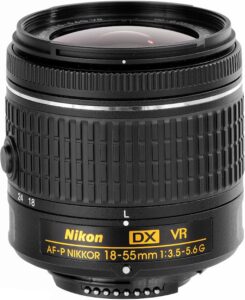
(55mm filters / 200g / 0.25m close-focus)

Competition Name: ROYAL FLORIA Putrajaya 2015,
Photo Location: Putrajaya FLORIA Arts And Crafts,
Nikon D700, 28~80mm, ISO 800, 20sec, F/22
Like most photographers, your first DSLR camera comes with a Kit Lens, probably the standard 18-55mm (Dx) and 28-80mm (Fx). Many people wonder if a Kit Lens is worth keeping? Does it take great images? Or should you immediately upgrade to a more expensive lens option? This is what this article will discuss. I will show you how a Kit Lens, despite its shortcomings, can give you amazing images and I will give you some examples of my photos that have won photography competitions with a Kit Lens. I will also give you some quick tips for working with the 18-55mm lens. Is a Kit Lens not suitable for photography? Most Kit Lenses are cheap and affordable. Camera manufacturers compete with each other to keep the price of their camera packages down by creating Kit Lenses. This way, you can get started taking pictures and learning about photography. But if a Kit Lens is cheap, does that mean you should immediately buy a better lens? Regardless of the “poison” that others say, or how much you crave expensive lenses, a Kit Lens is the best way to get started seriously in photography. If you are in a position where you cannot afford to buy another lens or do not know which lens to buy, do not worry. You will be surprised at the photographic knowledge you can do with your Kit Lens once you know how to get the best results from it. If you do not believe me, the quality of images produced with the camera and the Kit Lens is very high. Look at the picture I am referring to. To get the best results from a Kit Lens you must assume that if the Kit Lens which is the standard range from 18mm to 55mm, then consider that you have 2 lenses namely 18mm and 55mm in one unit. At 18mm it is a medium Wide lens that is good for landscapes, architecture and shooting the environment. The 55mm end of the lens makes it a Short Telephoto lens, perfect for compressing perspective when taking portraits or covering up small details (Compress Perspective). Understanding the angles of composition and lighting is much more and prevents us from falling into the “poison” of people who are not experts in the science of photography. The lens is the “eye” of your camera system (The Photographer’s Eye). The pictures you take will improve when you learn the characteristics of each focal length and composition.
Nikon 105mm F/1.8 Manual-Focus Nikkor Ai-S Lens
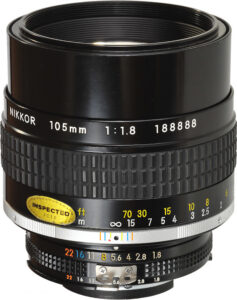
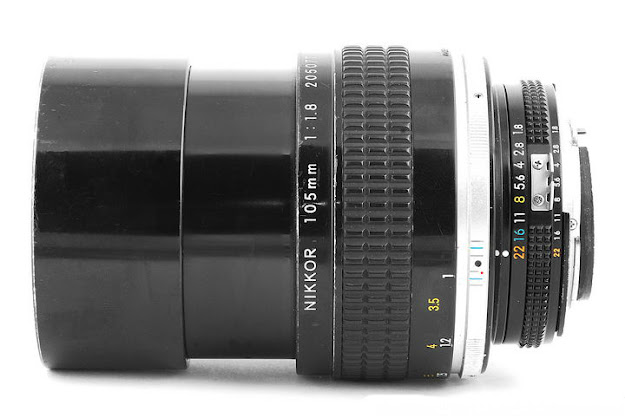
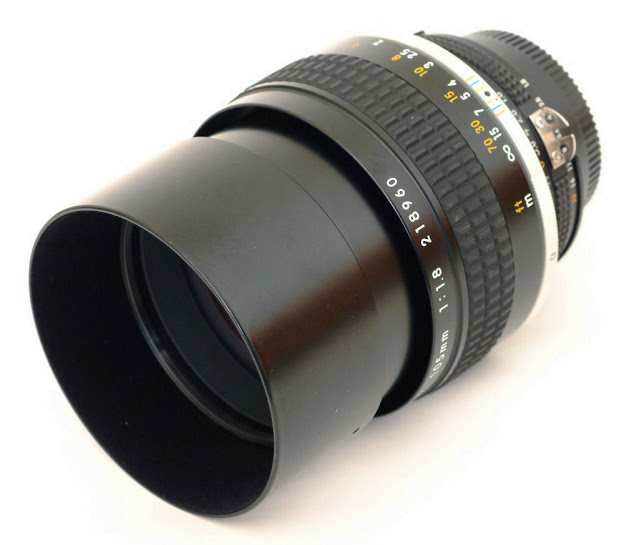
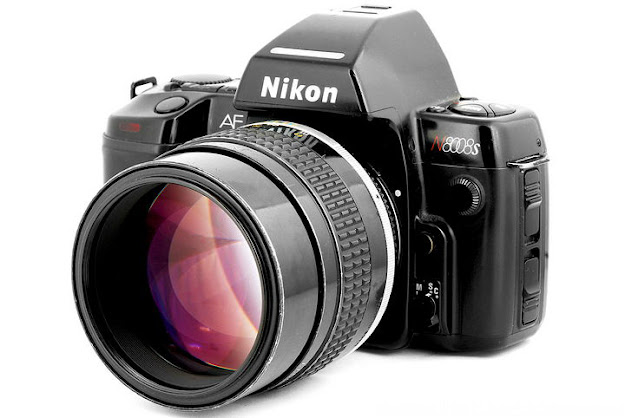
In an effort to satisfy photographers who preferred to see a high-performance upgrade that was equivalent to a similar focal length with a wider aperture, Nikon finally launched a lens in March 1981, the Nikkor 105mm F/ 1.8. This lens never disappoints, offering high-class optical performance and the highest build quality
Nikon 20mm F/2.8D AF Nikkor Lens
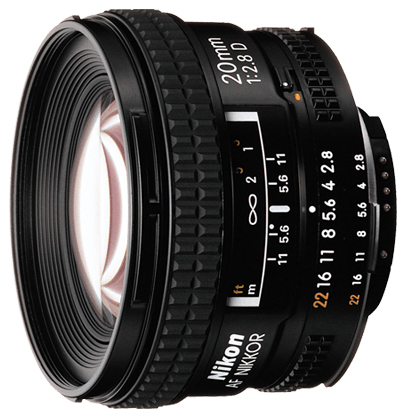
Nikon 20mm F/2.8D AF Nikkor Lens for Nikon Digital SLR Camera The lens is chosen when you are looking for a wide angle lens that can give you pro performance. There are many options for you when it comes to wide angle lenses and sometimes you find the task of choosing the right lens quite confusing. When you are choosing the right wide angle lens for your digital photography, you need to look for a lens that is reliable and also reputable to ensure that you can have the right lens that can give you the right image quality. Nikon has been known for manufacturing high quality lenses as they have practiced the art of lens making combined with precise techniques and concrete knowledge in lens manufacturing. There are many options when it comes to wide angle lenses from Nikon 20mm F/2.8D AF Nikkor Lens for Nikon Digital SLR Camera. Indeed with a product like Nikon 20mm F/2.8D AF Nikkor Lens for Nikon Digital SLR Camera, you will definitely have an edge in lenses that can help you capture your most exciting and cherished memories in quality images. Nikon 20mm F/2.8D AF Nikkor Lens for Nikon Digital SLR Camera has many features that you cannot miss. When you are looking for a camera lens, the features that can give you quality results that you want to consider first. Quality and reliability should be considered as well. Nikon 20mm F/2.8D AF Nikkor Lens for Nikon Digital SLR Camera has quality, reliability and performance that makes it a good choice and a quality lens. Nikon 20mm F/2.8D Nikkor Lens for Nikon Digital SLR Camera is designed for a compact atmosphere in the construction of an ultra wide angle lens. More than that, Nikon 20mm F/2.8D AF Nikkor Lens for Nikon Digital SLR Camera is also created with a great optical design and will promise photography results in the categories of architecture, landscape and even weddings. Nikon 20mm F/2.8D AF Nikkor Lens for Nikon Digital SLR Camera is designed with a 94-degree image coverage that is made more reliable and desirable with its advantages with sharpness features. Furthermore, this lens from Nikon is also equipped with a close-up correction that is designed to be able to produce distortion-free images for distances as close as 0.85 feet. On top of all the great features, this lens from Nikon is designed with Nikon’s super integrated coating that will definitely minimize the ghost effect. In addition, this special coating on the Nikon 20mm F/2.8D AF Nikkor Lens for Nikon Digital SLR Camera will provide good color balance that will allow you to have the quality photos you want.
Sweaty Hands & Expensive Cameras
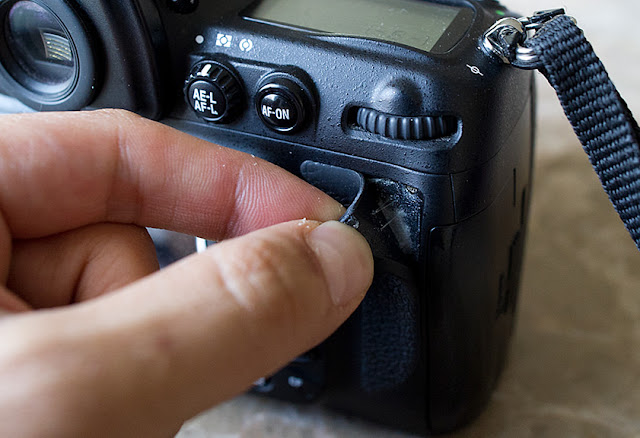
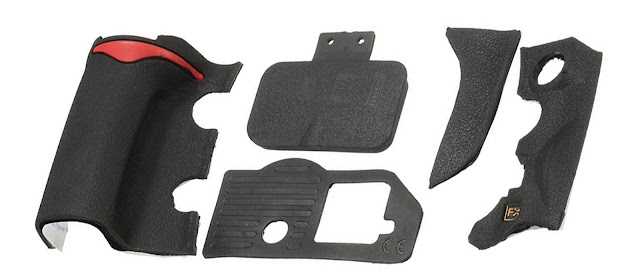
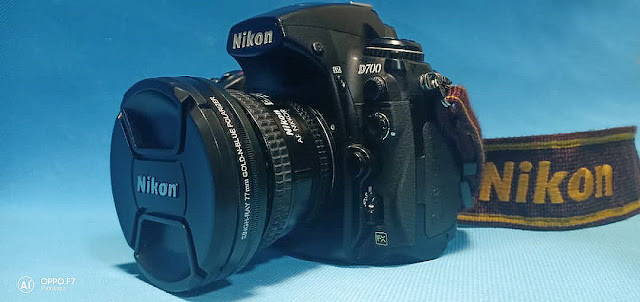
So when I go out to take pictures and start doing my work, my hands start to sweat and I know that sweat will destroy the rubber compound and rubber grip on the camera body. It is better to have thin gloves that fit and are durable to wear. My suggestion, prepare a small towel to wipe the rubber grip on the camera if you find that sweat has stuck to the rubber grip and before putting the camera back in the bag. I have a Nikon D90 and I really don’t sweat to damage the camera body

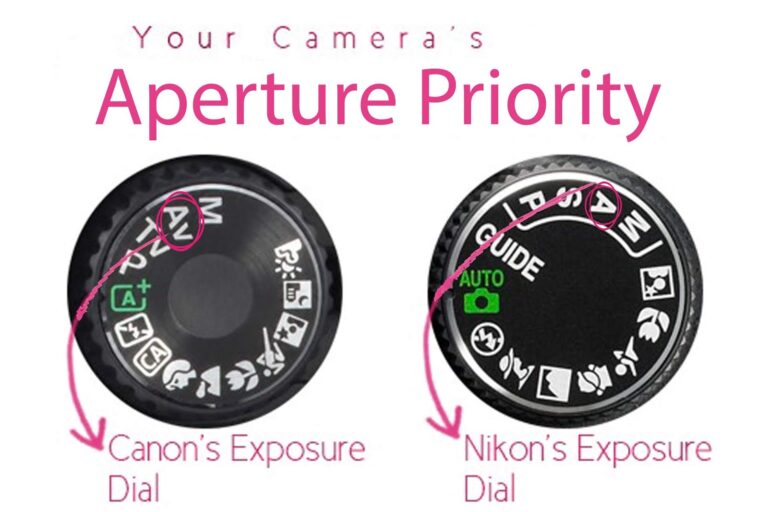
Aperture Priority Mode, 1/125sec, F/16
WB Auto, RAW Files,
Manfrotto tripod,
Gold & Blue Polarizer
Testing the Nikon D700 camera, after service at J One Camera, Amcorp Mall, after 10 years of age, every “Rubber Grip” has been replaced, the picture quality is still beautiful, with only 12 MegaPixels. This camera has won more than 20 photography competitions.
Nikon D200 Vs Fuji S5 Pro

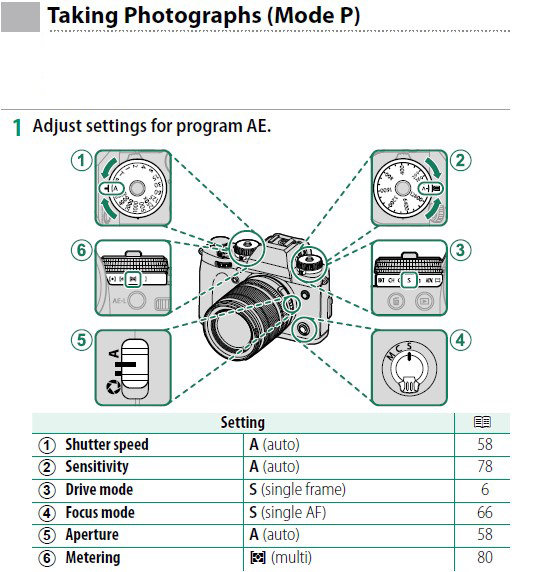
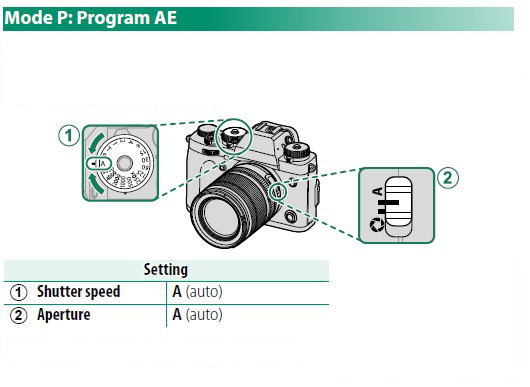
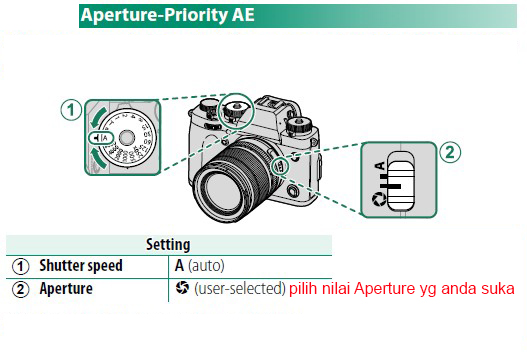
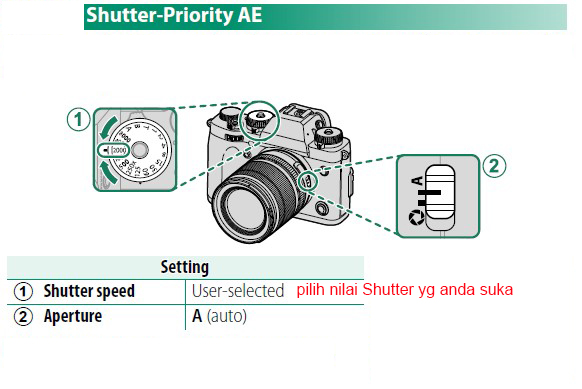
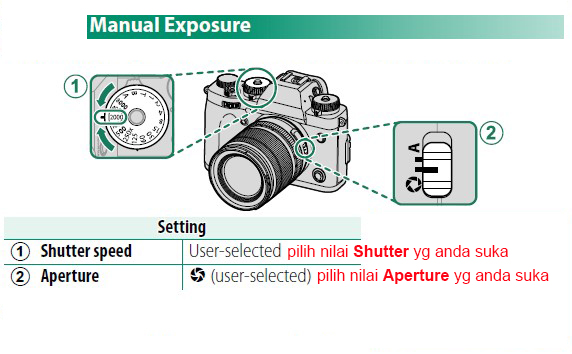
Before Fujifilm had the X100, X-E1, Xt1 or any X cameras, Fujifilm used Nikon bodies and produced DSLRs with Fujifilm’s unique sensors. The lens mount is Nikon so all Nikon lenses will work on the Fujifilm S1, S2, S3 and S5. The FinePix S5 Pro is a DSLR camera introduced by Fujifilm on September 25, 2006. It retains Nikon F mount compatibility, including DX-sized lenses. It is based on the Nikon D200 body. The Fujifilm Finepix S5 Pro shares the same body design as the Nikon D200. As a guide, I have included a simple setup for the Fuji X-T3